Bathroom Faucet Repair in Washington DC
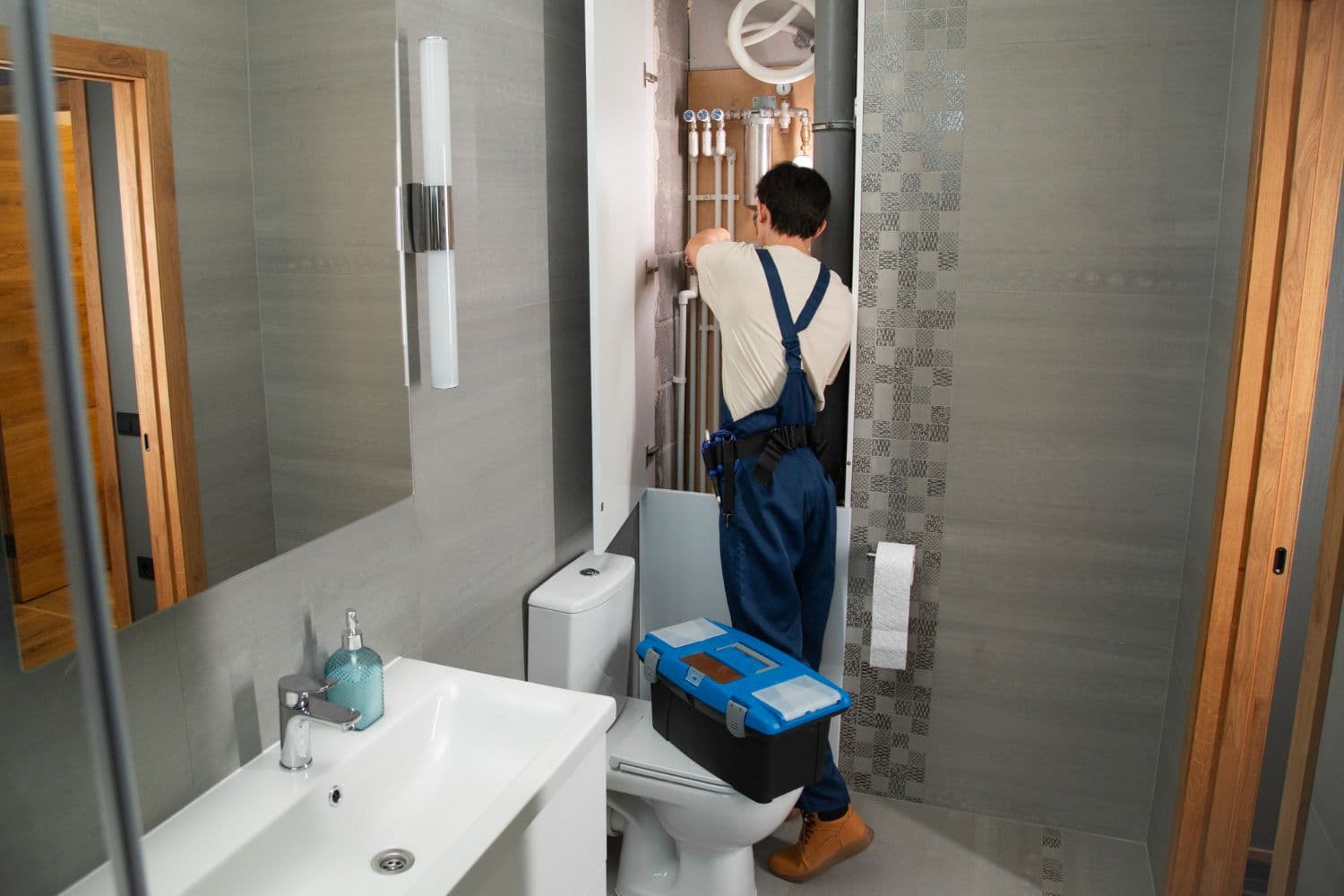
Repairing bathroom faucets in areas such as Washington DC, Virginia, and Maryland is not merely a routine plumbing task; it is a specialized process that requires a thorough understanding of aging infrastructure, different plumbing systems, water quality, and the construction types across neighborhoods and cities in the region. The U.S. capital and its surrounding areas are among the oldest residential regions on the East Coast, with a significant portion of buildings, especially in neighborhoods like Georgetown, Capitol Hill, and Old Town Alexandria, being 70 to 100 years old. This age presents unique challenges for bathroom faucets, plumbing systems, and internal connections. Water quality and hardness in the DMV area (DC, Maryland, Virginia) also play a crucial role. Parts of northern Virginia, such as Arlington and Fairfax, are known for relatively hard water, while some Maryland areas like Silver Spring and Hyattsville have semi-aging plumbing systems that can accelerate faucet scaling. In Washington DC, infrastructure differences between neighborhoods are significant; from modern apartments in Columbia Heights to renovated old office buildings in Dupont Circle, each area exhibits a distinct pattern of faucet failures. Therefore, this article is not just a general repair guide, it combines research, technical inspections, case studies, and local expert insights. Its purpose is to help residents of Washington DC, Virginia, and Maryland understand common bathroom faucet problems, identify their causes, and learn how neighborhood infrastructure impacts the longevity and performance of their plumbing systems. The article is based on the experience of seasoned plumbers, real observations from multiple repairs across neighborhoods, and an evaluation of the current condition and age of buildings.
Common Bathroom Faucet Issues in Washington DC, Virginia, and Maryland
Bathroom faucets in the DMV region experience similar problems with varying intensity due to differences in building age, plumbing type, water quality, and usage frequency. Professional plumbers and home repair technicians confirm that faucet failure patterns in older neighborhoods like Georgetown or Old Town Alexandria are completely different from those in newer buildings in Arlington or Columbia Heights. The following are the four most commonly reported issues:
Leaks
Leaking faucets are one of the most frequent problems in the DMV area, particularly in homes over 30 to 40 years old. In older DC neighborhoods such as Georgetown and Capitol Hill, plumbing is often made from galvanized steel or aging copper, which over time wears down washers, damages cartridges, and causes leaks in faucet bodies. Even in newer buildings in Virginia, such as Arlington, high water hardness accelerates the wear of O-rings and cartridges. If left unaddressed, leaks can lead to more severe damage, including wall decay, mold growth, or damaged bathroom tiles.
Low Water Pressure
Many high-rise apartments in Washington DC, especially in neighborhoods like Adams Morgan, Dupont Circle, and Downtown, face low water pressure. This usually results from two main factors: the height of upper floors and the small diameter of internal pipes. Older buildings may have pipes unable to deliver adequate water to upper floors. In parts of Maryland, such as Silver Spring or Bethesda, municipal water systems may reduce pressure during peak usage hours, directly affecting faucet performance. Low water pressure can lead to cartridge malfunctions, intermittent water flow, or even whistling noises in faucets.
Scaling
Scaling is a major challenge in the DMV area due to the relatively high-water hardness in many parts of DC, Virginia, and Maryland. In areas such as Fairfax, Alexandria, Hyattsville, and Columbia Heights, minerals, especially calcium and magnesium, accumulate at faucet outlets, inside cartridges, and even in hose connections. These deposits reduce water pressure, cause lever stiffness, slow handle movement, and eventually lead to complete cartridge failure. In neighborhoods like Georgetown or Anacostia, where old pipes have not been replaced, scaling is significantly more severe.
Pipe Deterioration
Pipe deterioration is another common issue, particularly in older DC and Maryland neighborhoods. Many old DC buildings still use galvanized pipes, which over time develop corrosion, thickened internal walls, and gradual blockages, reducing water flow and placing more stress on faucets, accelerating internal component wear. In Maryland areas such as Takoma Park and Prince George’s County, semi-aging pipes, though replaced, may have been poorly installed initially, causing leaks or pipe bursts. In older Virginia areas like Arlington and Falls Church, the combination of hard water and mixed old and new plumbing systems has the greatest impact on faucet failures.
Neighborhood Overview in Washington DC
Each neighborhood in DC has unique characteristics and challenges regarding faucet repairs. Understanding these differences is crucial for both plumbers and residents because plumbing type, building age, and water conditions directly affect faucet performance and longevity. The following are selected neighborhoods:
Georgetown
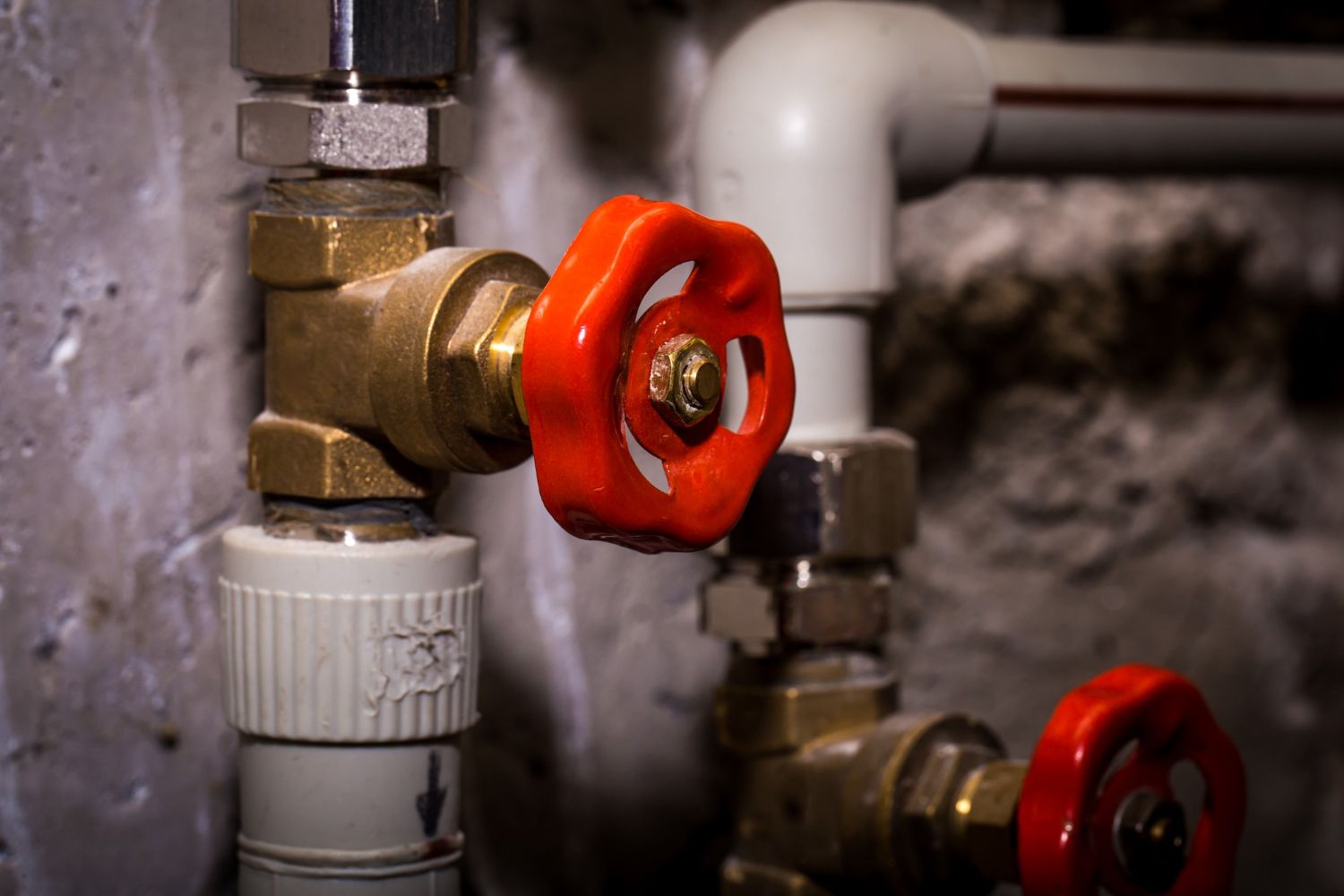
This neighborhood is one of the oldest in the area, with many residential buildings over seventy years old. Most of the plumbing still relies on galvanized pipes, which are highly susceptible to corrosion and internal scaling as they age. The combination of hard water and decades of mineral buildup significantly reduces water flow and negatively affects faucet performance. As a result, faucet repairs in these homes often require a thorough inspection of the in-wall plumbing system as well as extensive descaling to restore proper function.
Adams Morgan
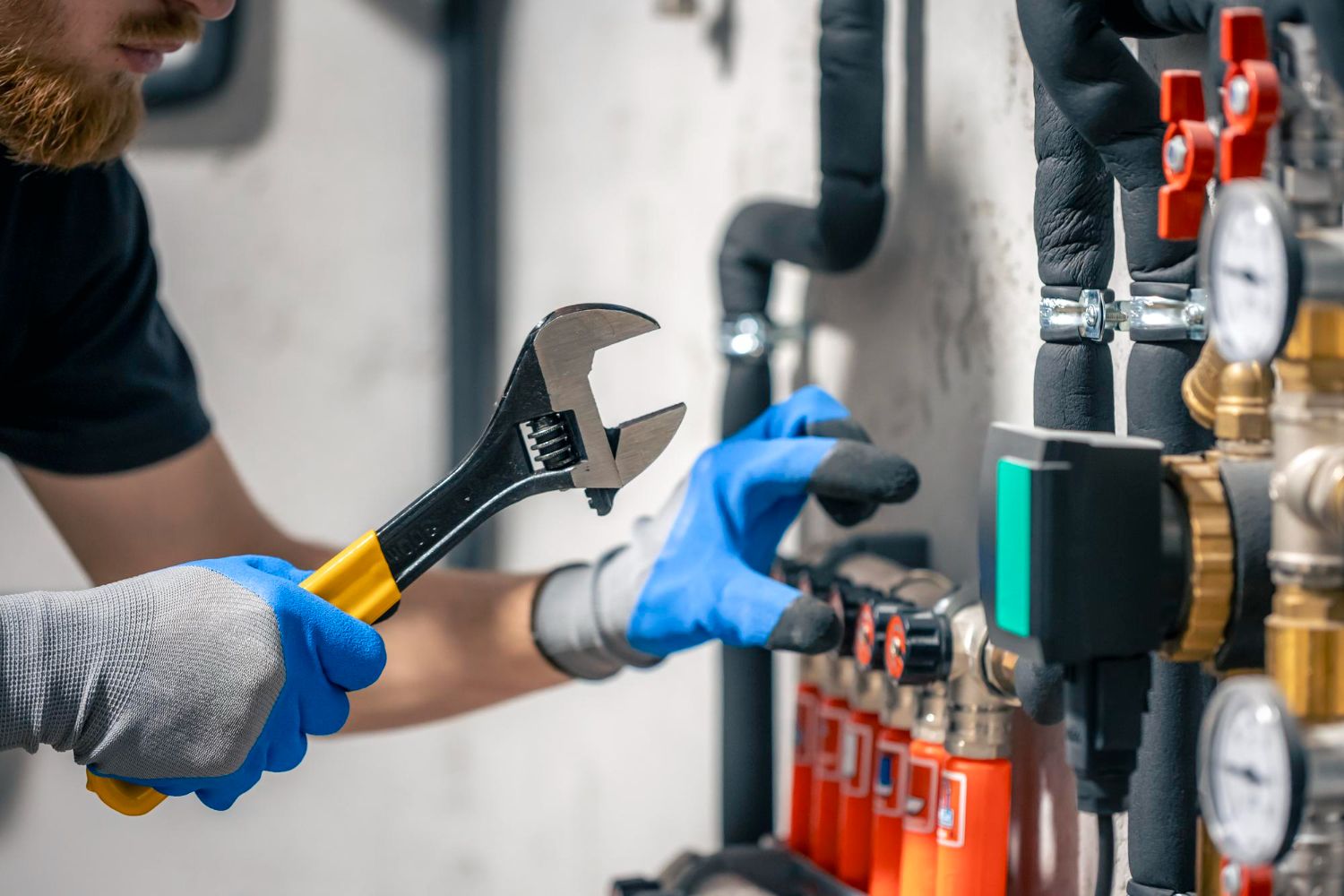
This neighborhood consists of multi-story, densely packed apartment buildings where the primary issue is fluctuating water pressure, a problem that affects even newly installed faucets. Because the pressure changes can disrupt water flow and cause inconsistent performance, plumbers frequently need to adjust the pressure levels and inspect the main water entry lines to identify and resolve the underlying cause.
Dupont Circle
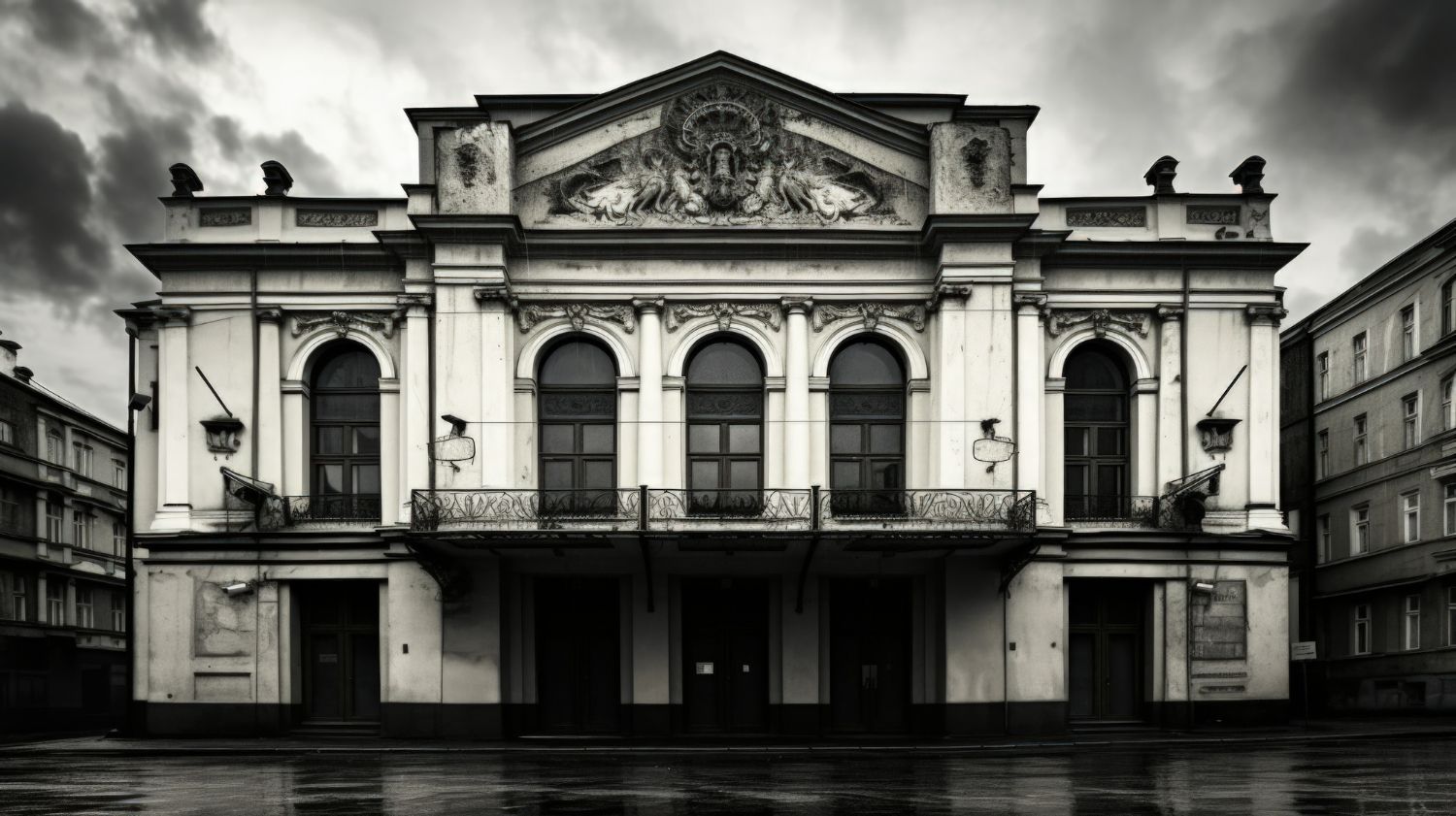
This area consists of a mix of office and residential buildings. The older plumbing systems in many office buildings often lead to repeated faucet failures, and repairs require high technical expertise and a strong understanding of old plumbing infrastructures.
Columbia Heights

Many of the homes and apartments in this area have been renovated within the past decade. However, semi-professional faucet installations are a common issue, often leading to loosened connections or leaks. As a result, the contrast between older structures and newly renovated spaces creates varying patterns of faucet failures.
Foggy Bottom
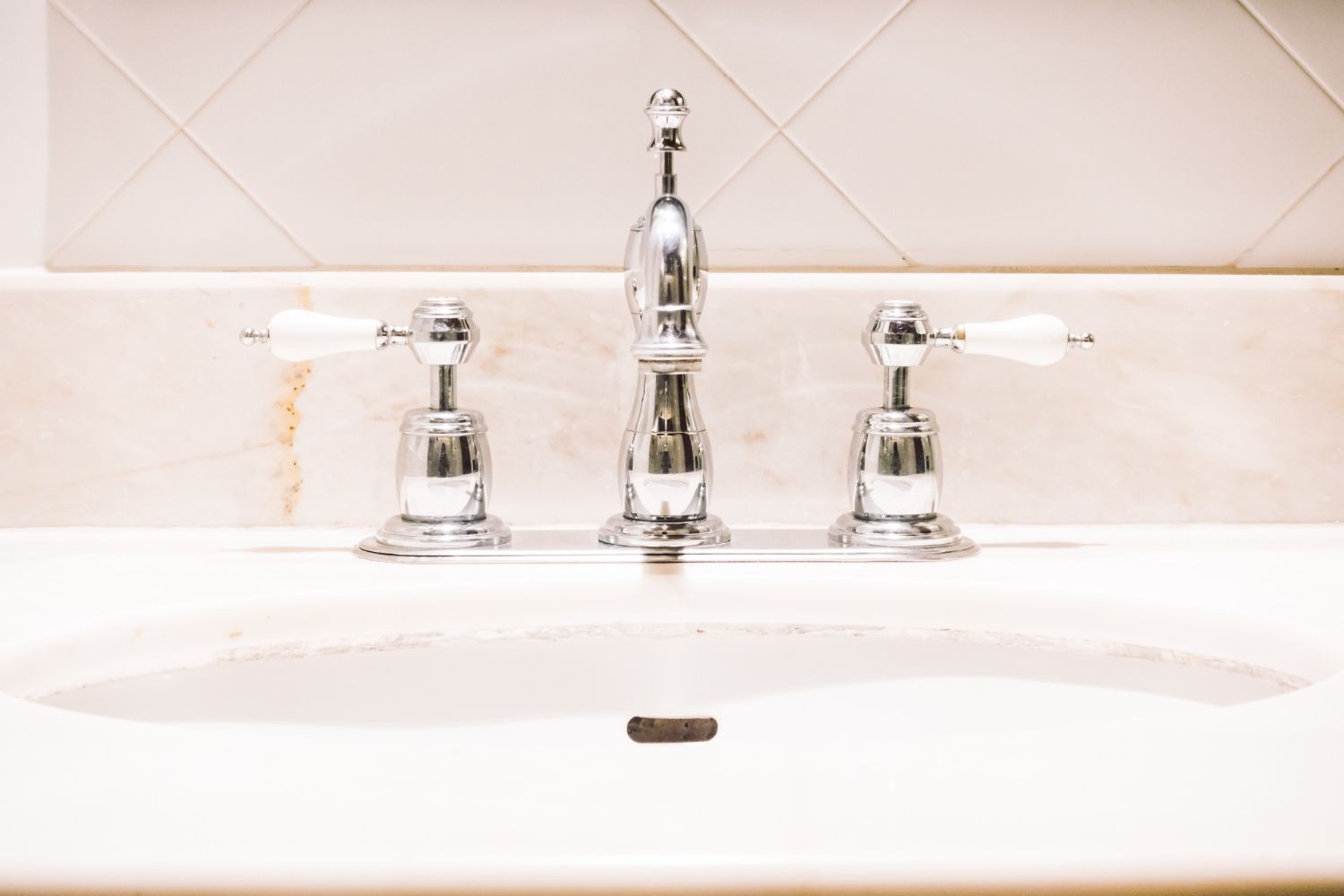
Located close to George Washington University, faucets in this area see exceptionally high usage. Failures often stem from overuse and the mechanical stress placed on their connections, leading to loose fittings and accelerated wear of internal components.
Anacostia
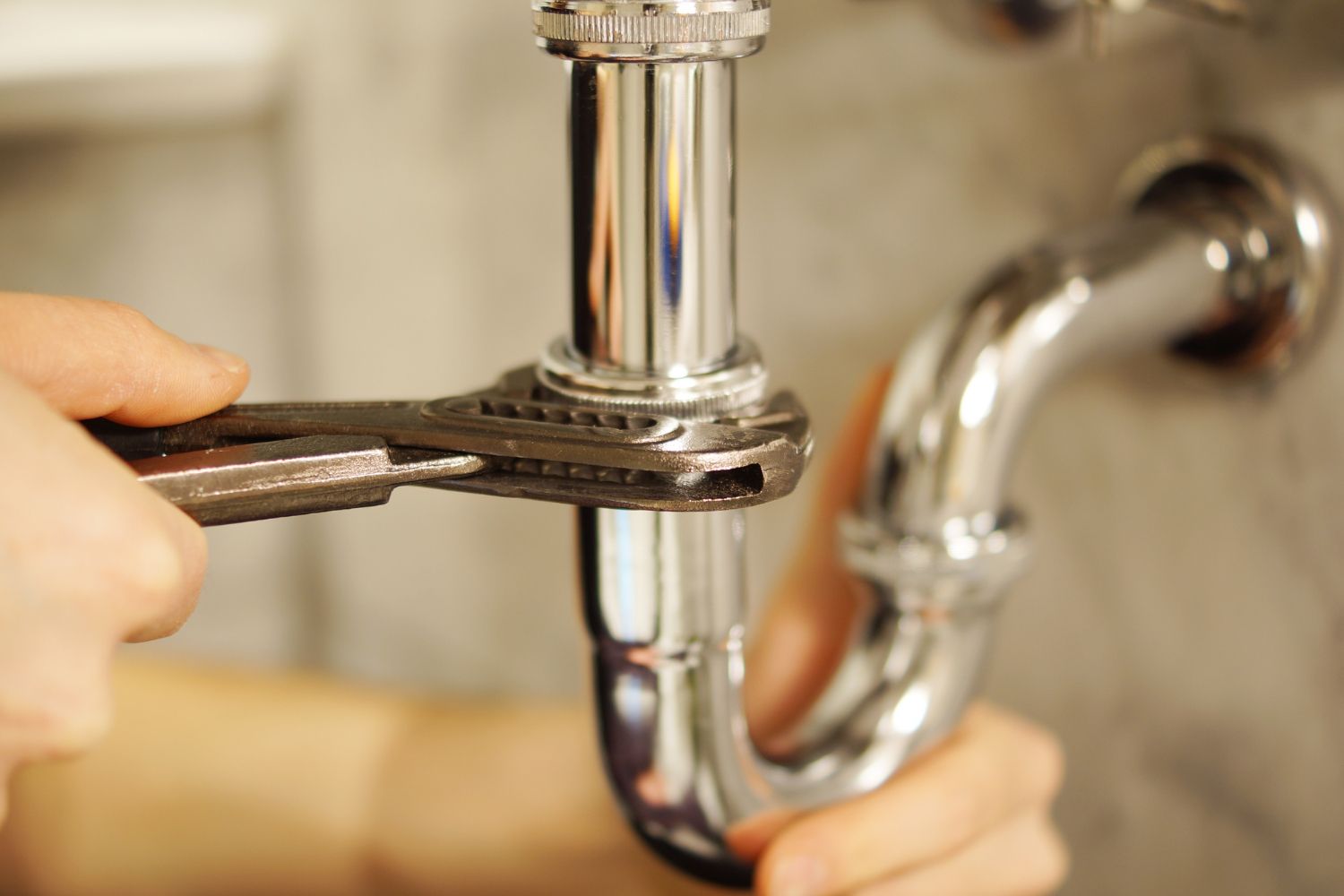
As one of the oldest neighborhoods in southern DC, this area faces persistent plumbing challenges. Low water pressure and frequent leaks are common issues caused by aging pipes. Repairs often require replacing worn-out sections of the plumbing system and implementing measures to improve overall water pressure.
Technical Diagnosis
The first and most crucial step in faucet repair is accurate problem diagnosis. Professional plumbers begin by disassembling the faucet handle to inspect the internal cartridge and washers, ensuring the components function properly. Water pressure is also measured to identify systemic issues, and if necessary, the in-wall plumbing is inspected to detect hidden leaks or mineral deposits.
Repair Process
Once the issue is diagnosed, the repair process begins. This includes fully disassembling the faucet, cleaning and descaling components, replacing worn cartridges, washers, or other parts, and performing final pressure and flow tests before reinstalling the faucet.
Required Tools
Proper tools are essential for faucet repair. These include adjustable wrenches and suitable screwdrivers, specialized cartridge tools, descaling and cleaning solutions, and Teflon tape to prevent future leaks.
Expert Insights
HVAC Engineer, Dupont Circle:
"Although these office buildings look well-maintained, their plumbing systems are very old. Uneven water pressure leads to frequent faucet failures."
Local Plumber, Georgetown:
"Hard water and mineral deposits are our biggest challenges. Almost every repair involves heavy descaling and a full inspection of the plumbing lines."
Case Studies
Georgetown:
In a 90-year-old home, bathroom faucets were severely leaking. The cartridge was heavily scaled, and water flow was nearly blocked. After professional descaling and part replacement, faucet functionality was fully restored.
Columbia Heights:
In a renovated unit, new connections were improperly installed. Loose fittings caused water leakage behind walls, damaging faucets. Repairs involved securing the fittings and replacing damaged components.
Preventive Measures
Regular six-month inspections are crucial to prevent small problems from escalating. Routine cleaning of faucet outlets helps maintain proper flow and prolong component life. Checking in-wall plumbing to avoid hidden leaks, using high-quality, durable cartridges, and installing standard-compliant faucets in areas with hard water all contribute to longer-lasting systems and fewer repairs.
Conclusion
Bathroom faucet repair in Washington DC is not a simple technical task; it requires a detailed understanding of neighborhood infrastructure, building age, water quality, and plumbing systems. Each neighborhood exhibits its own failure patterns, and timely maintenance can prevent major issues, extending the life of faucets and plumbing systems.